Most world-changing ideas do not begin as masterpieces.
They begin quietly.
A strange thought during a walk.
A question nobody else considered important.
A rough sketch in a notebook.
A half-formed idea that initially seems too small, unrealistic or incomplete to matter.
History often remembers the finished breakthrough.
But the beginning is usually far less dramatic.
Before inventions transformed industries, before novels changed literature and before discoveries reshaped science, many ideas existed only as vague thoughts inside somebody’s imagination.
This is one of the most fascinating aspects of creativity.
Great ideas rarely arrive fully formed.
They grow.
The story of Dream Creative is filled with examples of this pattern.
Mary Shelley’s Frankenstein began with conversations, imagination and a vivid dream-like vision during a stormy evening beside Lake Geneva.
August Kekulé’s understanding of the benzene ring reportedly emerged from symbolic dream imagery after years of scientific reflection.
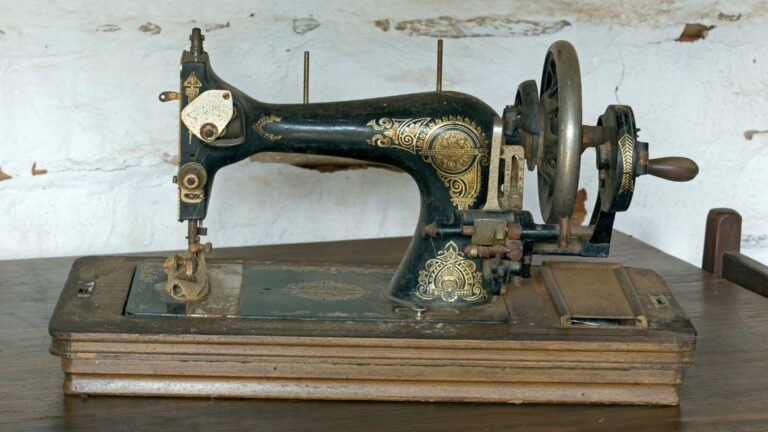
Elias Howe struggled repeatedly with sewing machine designs before a strange dream image helped shift his perspective on the needle mechanism.
Even outside dreaming itself, countless inventions, books, businesses and creative projects began as nothing more than:
- curiosity
- imagination
- observation
- frustration
- experimentation
- or a simple thought that refused to disappear.
At first, these thoughts often appear incomplete or uncertain.
This is important because many people mistakenly believe creativity works differently.
They assume creative people experience constant brilliance or instant certainty.
In reality, creativity is usually much messier than that.
Ideas often begin as:
- fragments
- questions
- vague feelings
- unusual associations
- incomplete concepts
- or moments of inspiration that require development over time.
The difficulty is that modern life trains people to dismiss many of these early creative moments immediately.
People often think:
- “That’s probably nothing.”
- “Somebody else must have done that already.”
- “It’s unrealistic.”
- “I’m overthinking.”
- “It’s not important.”
And so the idea disappears before it has any opportunity to grow.
Dream Creative encourages a different approach.
Not blind belief in every passing thought.
But greater awareness of how creativity often develops gradually beneath the surface.
A small idea captured today may evolve into something far more meaningful later.
This is why so many creative people throughout history kept:
- journals
- notebooks
- sketches
- voice notes
- dream records
- rough plans
- and unfinished concepts.
They understood something important:
Creativity rarely arrives fully organised.
It often needs:
- reflection
- curiosity
- experimentation
- mental space
- and time.
Dreams and reflective thinking can become valuable parts of this process because they allow the mind to connect ideas more freely than rigid logical thinking alone. During relaxed states, imagination often combines memories, emotions and observations in unusual ways.
Most of those associations disappear quickly.
But occasionally, one stands out strongly enough to become worth exploring further.
That is how many creative journeys begin.
Not with certainty.
But with curiosity.
Modern culture often celebrates finished success while ignoring the quieter early stages of imagination and experimentation that made it possible.
Yet nearly every breakthrough story begins the same way:
somebody noticed a thought that others might have ignored.
Tonight, try something simple.
Write down one idea, question or observation that has stayed in your mind recently – even if it feels unfinished or unrealistic.
Do not worry yet about whether it becomes successful.
Simply notice it.
Many important creative journeys begin long before anybody realises where they may eventually lead.
Great ideas rarely begin as finished masterpieces — they usually start as small thoughts noticed by curious minds willing to explore them further.
Continue Exploring Dream Creative
- Take the Dream Creative Insight Quiz
- Download the Free Starter Pack
- Start the Free 7-Day Training
Know someone creative?
Share this article with someone interested in creativity, invention, imagination or reflective thinking